Supporting community colleges in educating for and building a green economy
AACC: American Association of Community Colleges
About SEEDMembershipResourcesSharing CommunityColleges in ActionSupportNews & Events

Connect

Sign-in/Register


Home­Resources ­ Resource Center

Resource Center

Instructions

The Resource Center is a curated collection of information organized around 7 green economy “Sectors” and 7 “Topics.” In time, more Sectors will be added. Topics represent those areas in which educators and workforce development professionals continue to seek direction.

You can search by sector or by topic. Or across all sectors and/or all topics.

You can also perform a keyword search of all resources on the top right of this page.

Solar

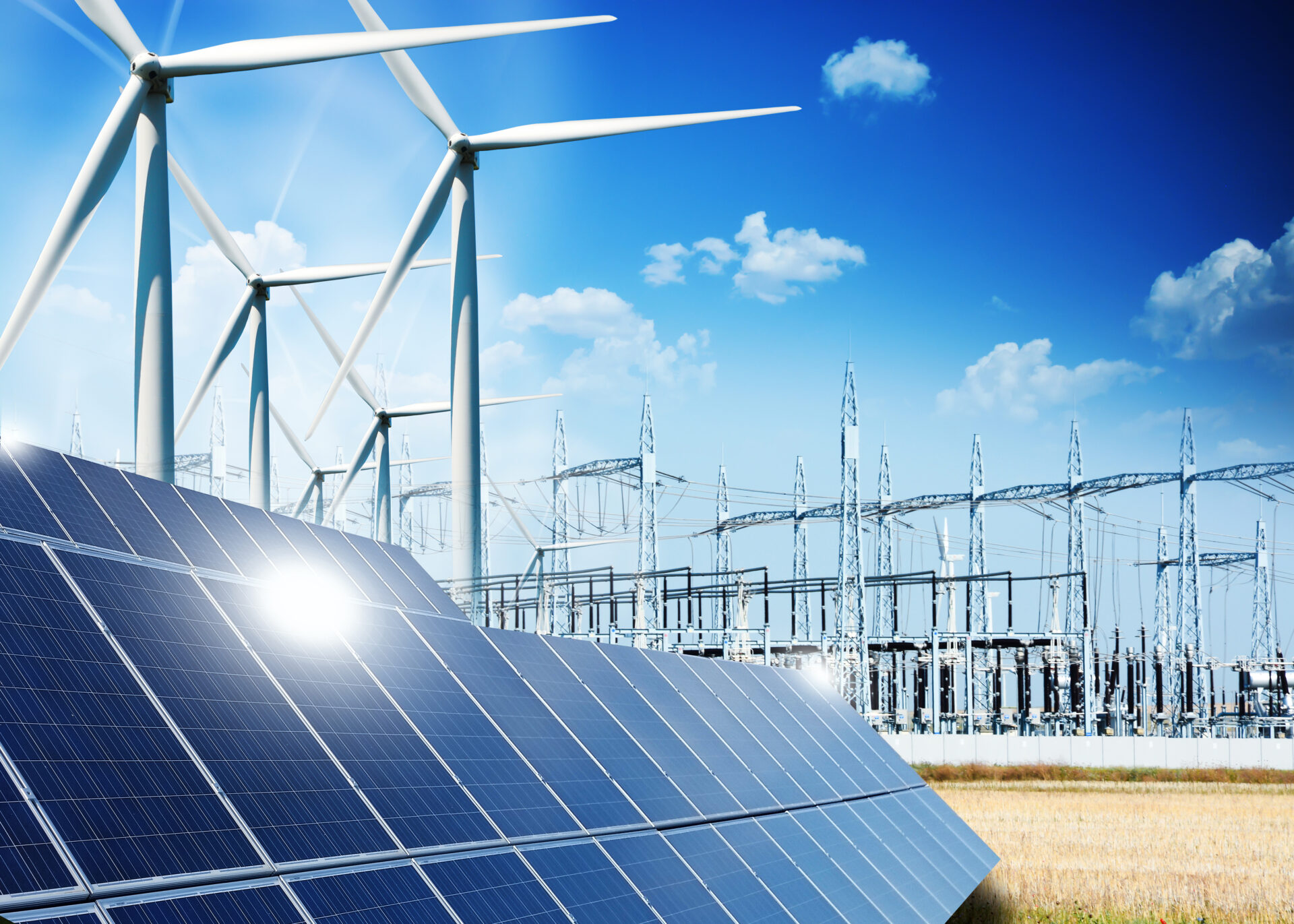
The solar industry is expected to show steady growth over the coming decade largely due to rising energy prices, advances in technology through public/private partnerships and investments, and continued enactment of federal and state policies and financial incentives. more >>

Wind

Wind power is considered a leading source of new electricity generation in the United States, with the potential of providing 20% of the nation’s energy needs by 2030. more >>

Green Building

The green building market has expanded five fold over the last three years to a $48 billion national market—and is projected to triple in the next five years. more >>

Energy Efficiency

Energy efficiency is considered the foundation of a vibrant and sustainable green economy, and one of the most cost effective ways to lower energy consumption, reduce operating costs, and mitigate carbon emissions. more >>

Sustainability Education

Sustainability education refers generally to learning experiences that enable students to develop the knowledge, behaviors and skills to help create healthier ecosystems, social systems, and economies. For the purposes of the SEED Center, this includes resources to help build non-credit continuing education for the incumbent workforce and integrating sustainability curriculum into existing credit programs. more >>

Sustainable Ag., Food & Land

The Sustainable Ag., Food & Land sector covers the areas of organic farming, horticulture, culinary art, and landscaping. This sector includes organizations and resources that integrate environmental, social and economic factors into land use, food preparation, and land specific practices in an attempt to create a more sustainable future. more >>

General Clean Tech

The General Clean Tech sector is a space for resources that encompass multiple ‘green’ sectors. Many are applicable to the broader clean economy and sustainability-related technology and will serve the general clean tech community. Resources also provide valuable information on sectors that are experiencing substantive development in the sustainability realm, like manufacturing and smart grid. more >>

Transportation and Fuels

The Transportation & Fuels sector covers the area of electric and hybrid vehicle development and maintenance, other forms of alternative and sustainable transportation, natural gas, fuel cells, battery storage, and renewable fuels sources including ethanol, biodiesel, algae, and methane. more >>

Certifications and Industry Credentials

Certainly, one of the biggest challenges facing green educators is the rapid and mostly uncoordinated emergence of green certifications and credentials. more >>
 

Curricular Materials

These resources and materials have been vetted by industry and education experts, and while not in the form of specific educator tools, will assist in creating quality curricula for your classroom. more >>

You will find more specific educator tools (e.g. syllabi, lab manuals, lesson plans, special classroom projects, equipment lists, etc.) submitted by SEED member colleges in our Curricular Materials Sharing Portal.

Employment Industry Projections

While job training providers have been quite active in past years working with local industry to define the emerging green jobs market and potential job growth areas, most still struggle to forecast accurately regional occupational demand. The U.S. Department of Labor has made recent strides toward classifying green occupations and competencies which will help communities define and track green jobs (and colleges to design appropriate education and training programs). Given the uncertain renewable energy and efficiency industry outlook, and rapidly changing technologies, access to the most up-to-date industry studies and employment projections will be critical. more >>

Innovative Practices & Partnerships

The job creation potential of the green economy has led to some unique job training and economic development partnerships and collaborations. more >>

Professional Development Resources

This section includes promising facilitated learning opportunities, including “train the trainer” programs, standing conferences, and informal learning opportunities situated in practice for faculty and staff seeking to further their knowledge of industry trends and requirements. more >>

Policy & Funding Sources

Included you will find links and descriptions of agencies and organizations that typically fund sustainability and green job training initiatives as well as those that provide important information on national legislation and policies relevant to the clean energy sector. CHECK BACK AS MORE ARE ADDED. This section also highlights resources that provide guidance on how to supply input into program and grant design for certain agency solicitations. more >>

Skill sets, Competencies & Career Pathways

This section includes lists and assessments of skill sets and competencies tied to the green economy – across the broad industry as well as within specific sectors. It also includes some critical resources that colleges can use to align programs and facilitate student transitions. Included are green energy competency models and newly-developed career pathways that allow movement across educational and training programs. more >>

Sector: Topic:

Featured Resources

This program is the first in a series of curriculum supporting a three-year training program based upon the American Wind Energy Association (AWEA) Core Skill Set for Wind Turbine Service Technicians, as well as the Department of Labor’s apprenticeship standards for wind turbine technicians. Topics covered in this curriculum include Introduction to Wind Energy, Wind Turbine Safety, and Climbing Wind Towers.
This map is the first to provide wind developers and policy makers with a seamless representation of the wind resources estimated at an 80-m height for all 50 states—the 48 contiguous states, Alaska, and Hawaii—as well as offshore resources up to 50 nautical miles from shore.
Wind Technician Television (www.windtechtv.org) presents on-line video learning materials designed for students in wind turbine training programs. Part of a three-year project supported by the National Science Foundation, WindTechTV is part of the NSF Advanced Technological Education initiative. WindTechTV presents information about yaw control systems, blade and flange joint assembly and maintenance, hydraulic torque tools, and fiber optic maintenance and repair practices, as well as other topics of interest. Industry experts demonstrate the latest procedures, such as laser alignment and non-destructive inspection.
For More Information: Phil Pilcher, Highland Communigy College, phil.pilcher@highland.edu
The Education Working Group provides a forum for wind industry members and individuals from the educational community to promote: wind education programs for Kindergarten through the 12th grade; job and career training programs for Community and Technical Colleges; academic and career development programs at Undergraduate and Graduate institutions; and scholarship opportunities through the “AWEA Educational Scholarship Program”. The group has announced its seal of approval program for wind energy education.
This webinar shares concepts, learning outcomes and learning activities you can easily incorporate in your courses to create more success for your students and for the businesses where they will work. Educating our students for green jobs and careers often requires going beyond the teaching of technological skills and knowledge. A successful green business employee also needs an understanding of how to effectively communicate about the green product and how to help the employer understand and utilize the successful green business models. Yet these items are often missing in our curricula. Standard marketing, sales and business courses do not address this problem.
This is a list of wind energy curricula and teaching materials for in alphabetical order by the producing agency's name. Resources may prove useful in the development of your wind curricular materials.
Provides an overview of the Energy Department's Wind Powering America Wind for Schools project. It outlines teacher-training activities and curriculum development; discusses the affiliate program that allows school districts and states to replicate the program; and contains reports that provide an update on activities and progress in the 11 states in which the Wind for Schools project operates. (June 2012)

More Resources

The Advanced Research Projects Agency, out of the U.S. Department of Energy, provides information on funding and technologies focused exclusively on high risk, high payoff concepts technologies. Educators can use this to describe possible new technologies and some of the supportive funding and policy to assist students with understanding the future potentials for the industry. Arpa-e works to bridge the gap between basic energy research and development/industrial innovation.
Search this useful National Science Foundation Advanced Technological Education (ATE Central) website for relevant resources in a variety of topic areas, including sustainability and energy.
Read about the emerging standards for wind power from the American Wind Energy Association (AWEA).
This report identifies obstacles to community based and decentralized renewable power and outlines policies that can promote its development. It uses California as an example and the concept is applicable to other locations and can be used as a case study in curricular materials.
This program is the first in a series of curriculum supporting a three-year training program based upon the American Wind Energy Association (AWEA) Core Skill Set for Wind Turbine Service Technicians, as well as the Department of Labor’s apprenticeship standards for wind turbine technicians. Topics covered in this curriculum include Introduction to Wind Energy, Wind Turbine Safety, and Climbing Wind Towers.
This map is the first to provide wind developers and policy makers with a seamless representation of the wind resources estimated at an 80-m height for all 50 states—the 48 contiguous states, Alaska, and Hawaii—as well as offshore resources up to 50 nautical miles from shore.
Free information about renewable energies from this U.S. federal laboratory dedicated to renewable energies.
Brief summary of common greenhouse gas inventory tools and resources, discussing the merits and drawbacks of each. This document can help you understand how to calculate greenhouse gas reductions from energy efficiency.
This resource provides an overview of the wind energy sector in the nation and on occupations in the wind power industry.
The Interstate Renewable Energy Council, Inc. (IREC) released a new report that analyzes the ambitious goal set forth by California Governor Edmund Brown's office to spur 12,000-MW of distributed generation (DG). The report, 12,000 MW of Renewable Distributed Generation by 2020, provides a careful analysis of the benefits, costs and policy implications of the 12,000-MW goal, to inform decision-making on the development of the plan and help ensure its effective implementation.
Displaying results 1-10 (of 52)
 |<  < 1 - 2 - 3 - 4 - 5 - 6  >  >| 
This resource made possible with the generous support from the Kresge Foundation