Supporting community colleges in educating for and building a green economy
AACC: American Association of Community Colleges
About SEEDMembershipResourcesSharing CommunityColleges in ActionSupportNews & Events

Connect

Sign-in/Register


Home­Resources ­ Resource Center

Resource Center

Instructions

The Resource Center is a curated collection of information organized around 7 green economy “Sectors” and 7 “Topics.” In time, more Sectors will be added. Topics represent those areas in which educators and workforce development professionals continue to seek direction.

You can search by sector or by topic. Or across all sectors and/or all topics.

You can also perform a keyword search of all resources on the top right of this page.

Solar

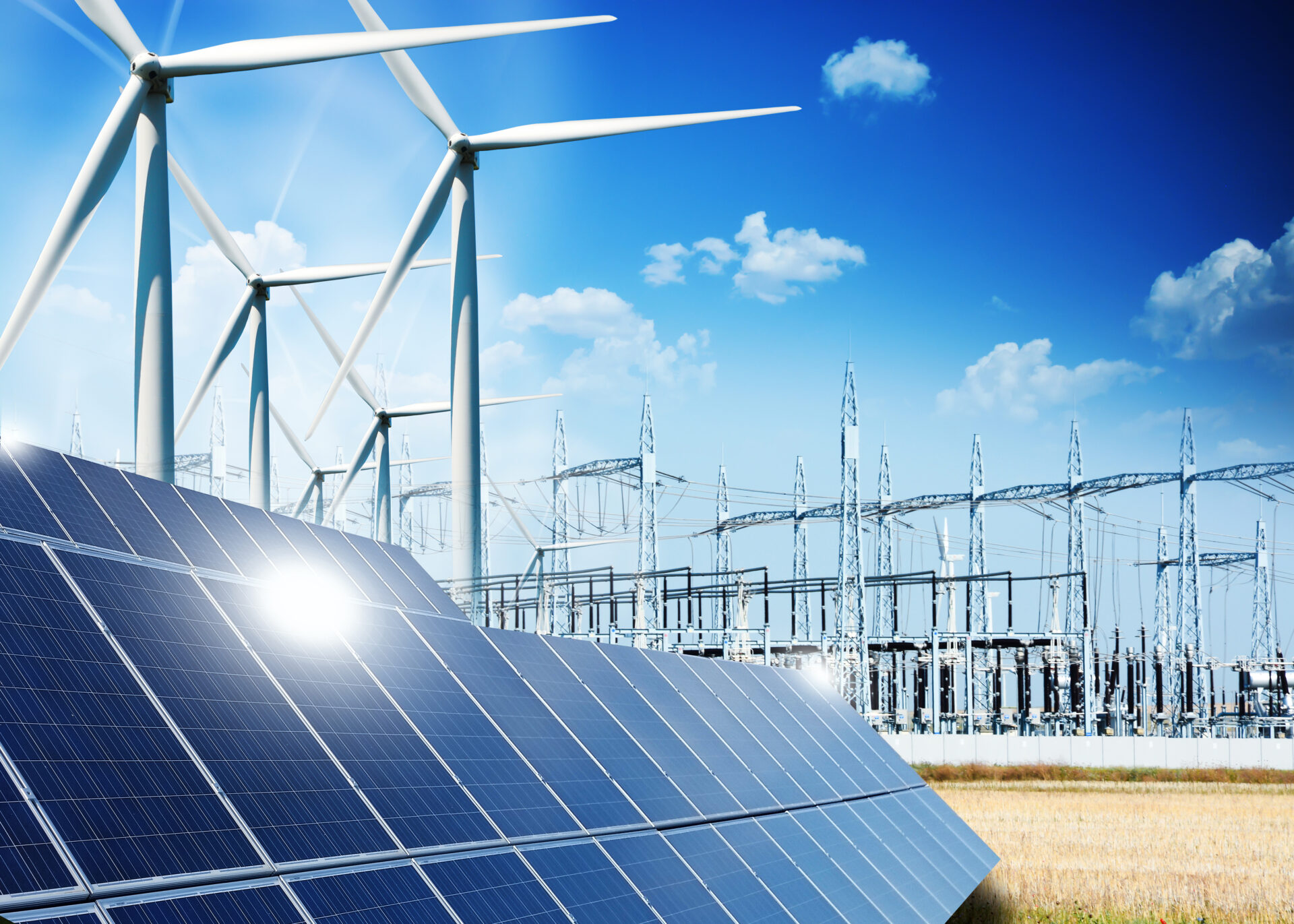
The solar industry is expected to show steady growth over the coming decade largely due to rising energy prices, advances in technology through public/private partnerships and investments, and continued enactment of federal and state policies and financial incentives. more >>

Wind

Wind power is considered a leading source of new electricity generation in the United States, with the potential of providing 20% of the nation’s energy needs by 2030. more >>

Green Building

The green building market has expanded five fold over the last three years to a $48 billion national market—and is projected to triple in the next five years. more >>

Energy Efficiency

Energy efficiency is considered the foundation of a vibrant and sustainable green economy, and one of the most cost effective ways to lower energy consumption, reduce operating costs, and mitigate carbon emissions. more >>

Sustainability Education

Sustainability education refers generally to learning experiences that enable students to develop the knowledge, behaviors and skills to help create healthier ecosystems, social systems, and economies. For the purposes of the SEED Center, this includes resources to help build non-credit continuing education for the incumbent workforce and integrating sustainability curriculum into existing credit programs. more >>

Sustainable Ag., Food & Land

The Sustainable Ag., Food & Land sector covers the areas of organic farming, horticulture, culinary art, and landscaping. This sector includes organizations and resources that integrate environmental, social and economic factors into land use, food preparation, and land specific practices in an attempt to create a more sustainable future. more >>

General Clean Tech

The General Clean Tech sector is a space for resources that encompass multiple ‘green’ sectors. Many are applicable to the broader clean economy and sustainability-related technology and will serve the general clean tech community. Resources also provide valuable information on sectors that are experiencing substantive development in the sustainability realm, like manufacturing and smart grid. more >>

Transportation and Fuels

The Transportation & Fuels sector covers the area of electric and hybrid vehicle development and maintenance, other forms of alternative and sustainable transportation, natural gas, fuel cells, battery storage, and renewable fuels sources including ethanol, biodiesel, algae, and methane. more >>

Certifications and Industry Credentials

Certainly, one of the biggest challenges facing green educators is the rapid and mostly uncoordinated emergence of green certifications and credentials. more >>
 

Curricular Materials

These resources and materials have been vetted by industry and education experts, and while not in the form of specific educator tools, will assist in creating quality curricula for your classroom. more >>

You will find more specific educator tools (e.g. syllabi, lab manuals, lesson plans, special classroom projects, equipment lists, etc.) submitted by SEED member colleges in our Curricular Materials Sharing Portal.

Employment Industry Projections

While job training providers have been quite active in past years working with local industry to define the emerging green jobs market and potential job growth areas, most still struggle to forecast accurately regional occupational demand. The U.S. Department of Labor has made recent strides toward classifying green occupations and competencies which will help communities define and track green jobs (and colleges to design appropriate education and training programs). Given the uncertain renewable energy and efficiency industry outlook, and rapidly changing technologies, access to the most up-to-date industry studies and employment projections will be critical. more >>

Innovative Practices & Partnerships

The job creation potential of the green economy has led to some unique job training and economic development partnerships and collaborations. more >>

Professional Development Resources

This section includes promising facilitated learning opportunities, including “train the trainer” programs, standing conferences, and informal learning opportunities situated in practice for faculty and staff seeking to further their knowledge of industry trends and requirements. more >>

Policy & Funding Sources

Included you will find links and descriptions of agencies and organizations that typically fund sustainability and green job training initiatives as well as those that provide important information on national legislation and policies relevant to the clean energy sector. CHECK BACK AS MORE ARE ADDED. This section also highlights resources that provide guidance on how to supply input into program and grant design for certain agency solicitations. more >>

Skill sets, Competencies & Career Pathways

This section includes lists and assessments of skill sets and competencies tied to the green economy – across the broad industry as well as within specific sectors. It also includes some critical resources that colleges can use to align programs and facilitate student transitions. Included are green energy competency models and newly-developed career pathways that allow movement across educational and training programs. more >>

Sector: Topic:

Featured Resources

American Council On Renewable Energy (ACORE) Renewable Energy in the 50 States report provides an executive summary on the status of renewable energy implementation at the state-level. The report is a "living" document that will continue to evolve with updates and periodic revision. (November 2012)
Resources on this page provide objective, high-quality information to promote the design and construction of durable, energy-efficient and economical buildings that can prove useful in the development of your green building courses.
This report was developed for public informational and educational purposes. This study states that revenue in the clean energy sector worldwide could total $1.9 trillion from 2012 to 2018. To strengthen America’s global competitiveness in this growing economic sector, the report outlines policy recommendations, including investments in energy research and development, extension of key manufacturing incentives, and establishment of a national Clean Energy Standard that sets milestones for deployment of renewable and other clean sources in the electric power sector.
The Distributed Wind Energy Association (DWEA) and the National Association of Counties (NACO) published this report which provides an overview of wind ordinances, best practices that work for local communities and the wind industry, case studies of counties implementing wind ordinances, and additional resources.
The Department of Energy (DOE) is leading the "Energy 101" initiative, a peer reviewed course framework for an interdisciplinary fundamental of energy course using a systems-based approach that can be individualized by the nations universities and community colleges. The model course will teach energy from an interdisciplinary perspective in an effort to capture the dynamic role energy plays in our lives -- including relevant scientific, technological and societal aspects. Through this effort, DOE aims to increase the pathways to energy-related degrees and energy careers offered at the nation's universities and community colleges. Such an interdisciplinary course can lead to broadly increasing the energy literacy of students, as well as providing fundamentals which can be used in further energy-related academic or career pathways.
Fishbanks is a multiplayer web-based simulation in which participants play the role of fishers and seek to maximize their net worth as they compete against other players and deal with variations in fish stocks and their catch. Policy options available to instructors include auctions of new boats, permits, and quotas. This simulation provides the opportunity for students to learn about the challenges of managing resources sustainably in a common pool resource setting, with realistic resource dynamics.
This report examines 22 program types and concepts to identify trends in their approaches to capturing cost-effective energy efficiency opportunities. It provides numerous examples of innovative programs. (January 2013)
This textbook is for those educating on Green Building and provides information on all aspects of building technologies. From core concepts to innovative applications of cutting-edge technology and the latest industry trends, this text offers an in-depth introduction to the construction of "green" homes.
Details the major employment and training opportunities and job skills associated with emerging "green" occupations, and provides links to related Internet resources. The Guide is targeted to workforce development practitioners and jobseekers with disabilities interested in training and careers in the green industry.
This web resource serves as a launch pad to training programs teachers can use for credits and certifications in green building. View their extensive resources and the free courses available for curricular development.
Displaying results 1-10 (of 184)
 |<  < 1 - 2 - 3 - 4 - 5 - 6 - 7 - 8 - 9 - 10  >  >| 

More Resources

This report examines progress in the development and deployment of key clean energy technologies. Each technology and sector is tracked against interim 2020 targets in the IEA 2012 Energy Technology Perspectives 2°C scenario, which lays out pathways to a sustainable energy system in 2050.
American Council On Renewable Energy (ACORE) Renewable Energy in the 50 States report provides an executive summary on the status of renewable energy implementation at the state-level. The report is a "living" document that will continue to evolve with updates and periodic revision. (November 2012)
The mission of this institute is to ensure access to healthy food and to promote the vitality of agriculture. They do this through integrative research, education, communication and early action on big, emerging issues.
Resources on this page provide objective, high-quality information to promote the design and construction of durable, energy-efficient and economical buildings that can prove useful in the development of your green building courses.
This report was developed for public informational and educational purposes. This study states that revenue in the clean energy sector worldwide could total $1.9 trillion from 2012 to 2018. To strengthen America’s global competitiveness in this growing economic sector, the report outlines policy recommendations, including investments in energy research and development, extension of key manufacturing incentives, and establishment of a national Clean Energy Standard that sets milestones for deployment of renewable and other clean sources in the electric power sector.
The Distributed Wind Energy Association (DWEA) and the National Association of Counties (NACO) published this report which provides an overview of wind ordinances, best practices that work for local communities and the wind industry, case studies of counties implementing wind ordinances, and additional resources.
Successful implementation of your family diet program, much like the successful implementation of your campus green existing building program, will require careful coordination with the right people at the right time. With that in mind, the USGBC recently released a new workbook called “Establishing a Culture of Performance on Your Campus”, which utilizes the LEED for Existing Buildings: Operations & Maintenance (LEED EB:O&M) as a tool for the comprehensive establishment of green practices and evaluation of performance both across a university campus and within individual buildings. This workbook provides a framework—a recommended sequence of activities—to make the process more straightforward and meaningful.
The Duke University campus offers many living laboratories for diverse educational experiences in sustainability. Find a list of potential client-based projects for students on campus and highlighted living laboratories for sustainability. Also find highlights from past projects and courses that have utilized the campus and university departments as clients for sustainability education.
The Department of Energy (DOE) is leading the "Energy 101" initiative, a peer reviewed course framework for an interdisciplinary fundamental of energy course using a systems-based approach that can be individualized by the nations universities and community colleges. The model course will teach energy from an interdisciplinary perspective in an effort to capture the dynamic role energy plays in our lives -- including relevant scientific, technological and societal aspects. Through this effort, DOE aims to increase the pathways to energy-related degrees and energy careers offered at the nation's universities and community colleges. Such an interdisciplinary course can lead to broadly increasing the energy literacy of students, as well as providing fundamentals which can be used in further energy-related academic or career pathways.
Learn about smart growth issues and environmental benefits. Find information about specific topics, resources, and examples of smart growth development, including the National Award for Smart Growth Achievement. Through research, tools, partnerships, case studies, grants, and technical assistance, EPA is helping America's communities turn their visions of the future into reality.
Displaying results 1-10 (of 681)
 |<  < 1 - 2 - 3 - 4 - 5 - 6 - 7 - 8 - 9 - 10  >  >| 
This resource made possible with the generous support from the Kresge Foundation